Book III · The Archetype Atlas
Layer 41: The Outlaw — Disruption with Receipts
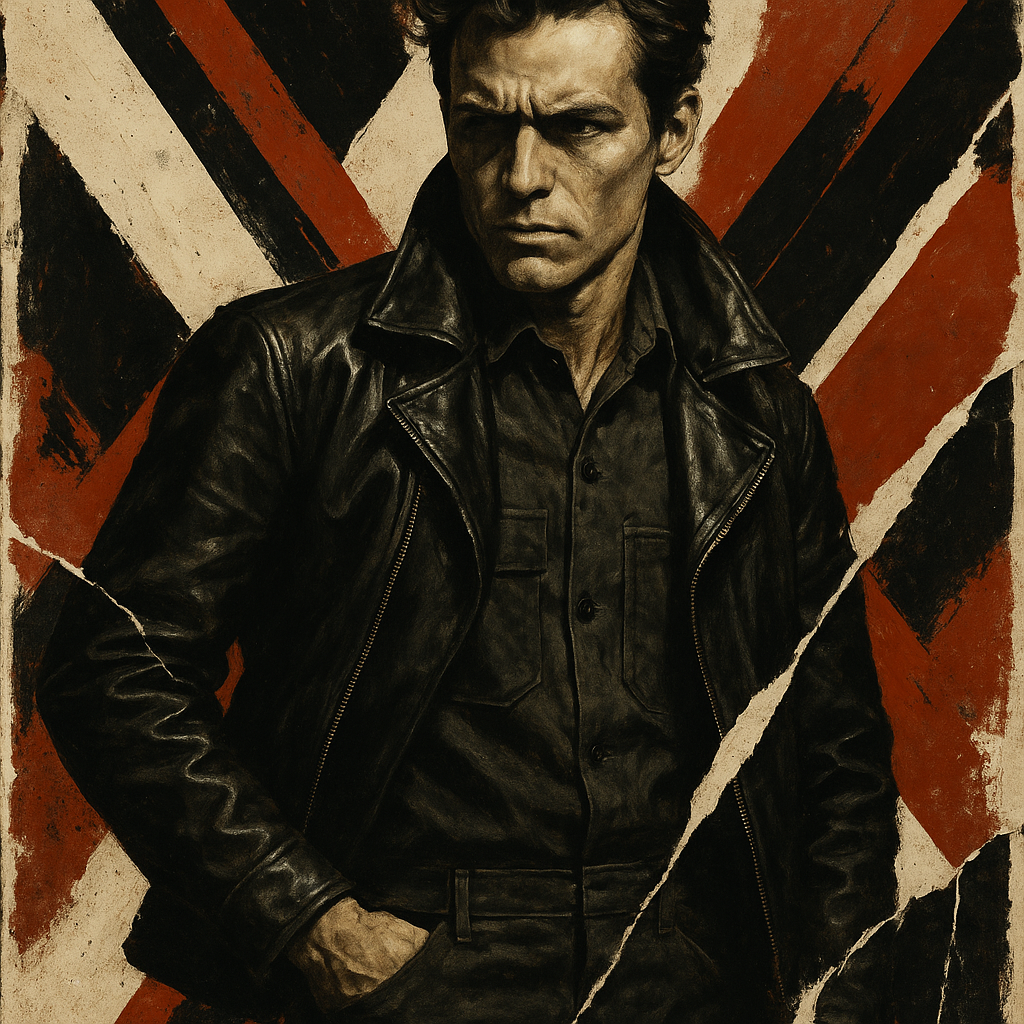
The Core Promise: The Aesthetic of Reform
The Outlaw archetype promises to dismantle the obsolete.
This is not a posture of chaos or transgression for its own sake. In the Second Renaissance, the Outlaw is a reformer—someone who has diagnosed a systemic failure and is manifesting the replacement. Historically, this type mirrors the iconoclast or the reformer—agents who broke the existing guild or institutional structures not to destroy order, but to restore veracity.
The Outlaw belongs to the Leaving a Thumbprint on the World family. While the Hero wins the existing game, the Outlaw redefines the grammar of the game itself.
The Signal Profile of the Rebel
To manifest as an Outlaw, the signal must demonstrate both the friction of critique and the integrity of the build:
- Rhetorical Voice: Pointed, diagnostic, and uncompromising. The Outlaw does not hedge; they name the failure-mode directly. Their authority is derived from the accuracy of the interrogation, not just the quality of the replacement.
- The Outlaw’s Promise: "The existing system is technically and morally insolvent. I have built the alternative. Join the secession or remain within the failure."
- The Register of Proof: A dual-layered proof structure. First, a rigorous audit of the existing systemic failure (the diagnosis). Second, the technical concretion of the superior alternative (the masterpiece).
- Visual Topology: Interruptive, high-contrast, and unconventional. The interface must signal a refusal to conform to the standardized plateaus of web design.
The Gift: Moral Clarity and Secession
The Outlaw’s gift is radical differentiation. In a landscape of incremental optimization, an Outlaw-coded presence that names what is broken and proposes a categorical alternative is impossible to forget. It attracts an audience that is also weary of the "credential theater" and seeks a higher signal.
In the Era of Infinite Inference, the Outlaw is the one who points to the hallucinations and manifests the ground truth.
The Trap: Grievance without Concretion
The Outlaw’s trap is pure critique. An Outlaw who only names what is wrong without manifesting the replacement descends from a reformer to a complainant. This is a signal defect. The critique must be in service of the masterpiece.
The second trap is the failure of accuracy. The Outlaw’s signal depends on the veracity of the diagnosis. If the interrogation is ungrounded or the evidence is weak, the Outlaw is read as a mere contrarian—an agent of noise rather than reform.
The Outlaw-Sage Synthesis: The Critical Scholar
A high-agency configuration is Outlaw Primary, Sage Secondary. This creates the signal of the intellectual rebel with receipts.
- The Outlaw provides the moral charge and the refusal of the status quo.
- The Sage provides the technical citations, the measured claims, and the rigorous evaluation that makes the rebellion undeniable.
The Interrogation of the Outlaw
Before adopting the Outlaw manifold, perform this technical audit:
- Is your critique of the status quo specific, evidenced, and irrefutable?
- Have you manifested the alternative in high resolution?
- Does your voice sound like a Sovereign manifesting a new order, or an amateur harboring a grievance?
The Outlaw is congruent for those whose work is a categorical rejection of the current method. It is the archetype of those who build the future by dismantling the past.